
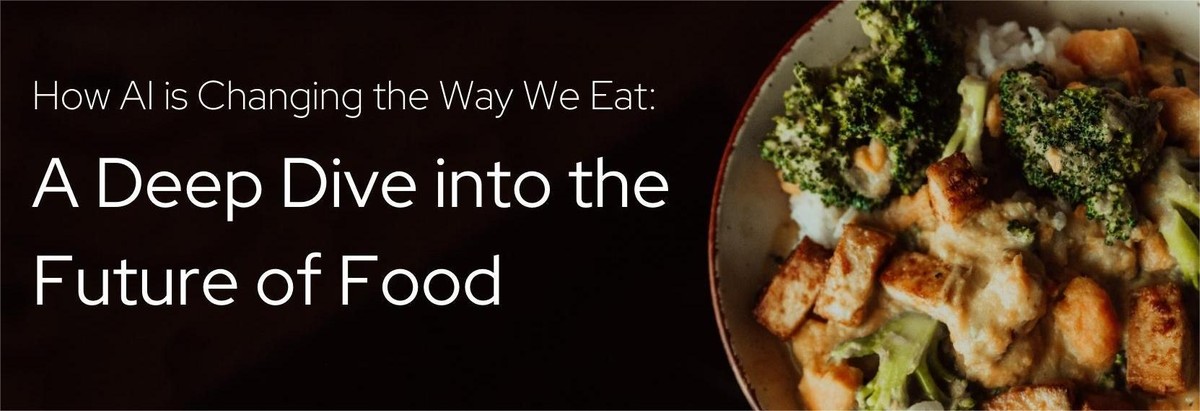
How AI Will Change the Way We Eat by 2030
How AI Will Change the Way We Eat by 2030
> Artificial intelligence (AI) is steadily transforming > industries, and food is no exception. From personalized nutrition apps > to AI-driven farming and food delivery systems, the next decade > promises a revolutionary shift in how we eat. By 2030, AI will not > only tell us what’s best to eat but also shape how food is produced, > distributed, and consumed—bringing us closer to a future where diets > are healthier, sustainable, and uniquely tailored to every individual.
Personalized Nutrition Becomes the Norm
> Today, most dietary advice is based on general guidelines. By 2030, AI > will make personalized nutrition the standard. Algorithms will > analyze a person’s genetics, microbiome, lifestyle, and health records > to design diets that align perfectly with their biological needs.
- Meal plans will adapt in real-time based on wearable data such as glucose monitors and fitness trackers.
- AI will suggest food swaps on the go, e.g., recommending a nutrient-rich smoothie if your stress markers are elevated.
- Digital assistants will act as nutrition coaches, making healthy eating as simple as following daily prompts.
Smarter Food Choices Powered by AI
> Grocery shopping and meal prep will be more intuitive and data-driven:
- AI-powered food scanners will instantly read nutrition labels and highlight the best options for your health goals.
- Personalized shopping lists will be generated automatically, synced to dietary targets and budget preferences.
- Smart kitchens will recommend recipes based on what’s already in your pantry, minimizing food waste.
> This makes eating well more convenient, reducing the decision fatigue > often associated with healthy living.
AI in Healthcare and Dietetics
> By 2030, dietitians will collaborate closely with AI platforms to > provide precision dietetics:
- AI will integrate with electronic health records to track progress in real-time.
- Patients with chronic conditions like diabetes, hypertension, or obesity will receive dietary adjustments based on continuous biomarker monitoring.
- Predictive models will identify nutrient deficiencies or health risks before they develop, shifting the focus from treatment to prevention.
Sustainable Eating Through AI
> Climate change and resource scarcity demand more sustainable eating > habits. AI will help balance human health with planetary health:
- Food supply chains will be optimized to reduce waste and emissions.
- AI will analyze the carbon footprint of diets and suggest greener food choices—like plant-based alternatives or lab-grown protein.
- Personalized sustainability scores will guide consumers to make climate-conscious decisions without compromising nutrition.
> This ensures that what’s good for the planet is also good for us.
AI and the Dining Experience
> Restaurants and food services will also feel the AI impact:
- AI-driven menu recommendations will match meals to your health and taste preferences.
- Food delivery platforms will optimize nutrition, affordability, and sustainability in their suggestions.
- Augmented reality dining and AI-enhanced taste simulations may even change how we experience flavor and food pairing.
> Eating out will no longer mean compromising on health goals.
Challenges Ahead
> While promising, the AI-food revolution will face hurdles:
- Data privacy: Nutrition and health data must be protected to avoid misuse.
- Equity of access: AI-powered food tech must be affordable and accessible, not just a luxury for a few.
- Cultural integration: Food is deeply personal and cultural. AI systems must adapt to diverse traditions rather than promote a one-size-fits-all model.
- Trust and transparency: Consumers will need reassurance that AI recommendations are unbiased and evidence-based.
> Addressing these challenges will be critical for building widespread > trust in AI-driven diets.
A Glimpse of 2030
> By 2030, AI will no longer be a behind-the-scenes tool it will be a > daily partner in how we eat. From the moment we plan breakfast to > the choices we make at dinner, AI will ensure food is healthier, > personalized, and sustainable. For many, it will mean fewer health > issues, more convenience, and diets that evolve with their bodies and > lifestyles. > > In essence, AI won’t just change what we eat it will redefine our > relationship with food, creating a future where eating is smarter, > healthier, and more connected than ever.