
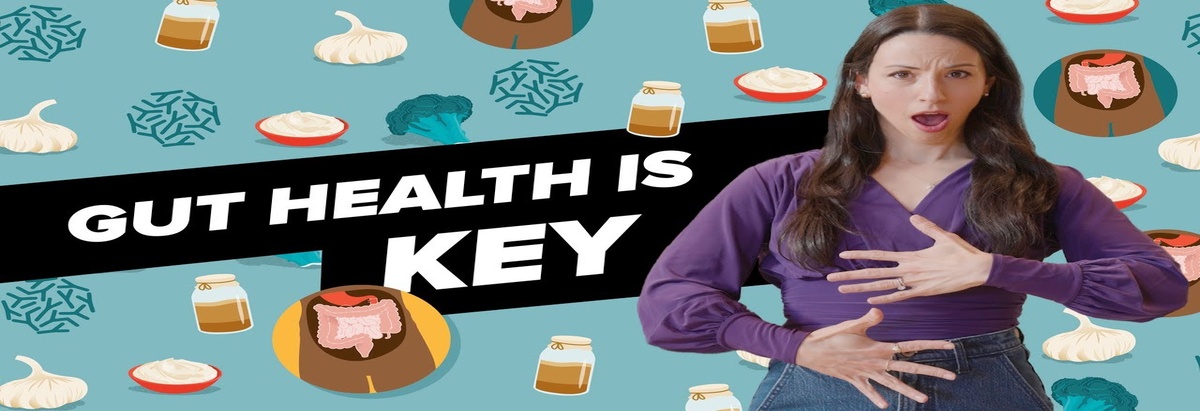
Gut Health and Probiotics: The Ultimate Guide to Foods That Heal Your Digestive System
Why Your Gut [Microbiome](https://www.sciencedirect.com/topics/medicine-and-dentistry/gut-microbiome) is Your Second Brain
Maintaining a thriving gut is non-negotiable for holistic wellness. This complex system—often referred to as your "second brain"—manages far more than just digestion; it influences your immune response, shapes your mental health, regulates your metabolism, and dictates how effectively you absorb nutrients.
The secret lies in the gut microbiome—the vast, diverse community of trillions of bacteria, fungi, and other microorganisms residing in your digestive tract. The foods you choose are the single most powerful tool you have to actively shape this ecosystem, promoting diversity and resilience. By intentionally focusing on probiotic-rich foods (beneficial bacteria) and prebiotic fibers (the fuel they need), you can actively support your digestive system, reduce inflammation, and enhance your body's natural defenses.
Understanding the Gut Ecosystem:[Dysbiosis](https://www.healthline.com/health/digestive-health/dysbiosis) and Health Impact
The delicate balance within your gut is crucial. When this microbial community is balanced, it works in harmony with your body:
- Aids Nutrient Absorption: Microbes help break down complex carbohydrates and fibers that your body cannot digest alone.
- Essential Vitamin Production: They produce vital nutrients, including Vitamin K and certain B vitamins.
- Immune System Support: Roughly 70% of your immune cells reside in your gut. These bacteria train and support your immune system, helping it recognize and fight off harmful pathogens, supporting your intestinal barrier function.
- Mental Well-being: The gut communicates directly with the brain via the gut-brain axis influencing mood, stress, and cognitive function.
- Metabolic Regulation: They help maintain metabolic balance and regulate systemic inflammation.
An unhealthy imbalance, known as dysbiosis, can lead to frustrating symptoms like constipation, bloating, and irritability, and may be linked to an increased risk of chronic diseases. Monitoring your gut health through tools like Microbiome testing can provide personalized insights into this complex ecosystem.
Probiotics: Adding the "Good Guys" to Your Diet
Probiotics are live, beneficial microorganisms that, when consumed consistently, help restore and maintain balance in the gut, making them essential for bloating relief and improving digestive function.
High-Impact Probiotic-Rich Foods
The key is to select foods that contain "live and active cultures." Heat can kill these beneficial bacteria, so look for refrigerated or naturally fermented versions.
- Yogurt: Choose varieties explicitly labeled with "live active cultures" (Lactobacillus and Bifidobacterium are common strains). They are easy sources of good bacteria that aid digestion and nutrient absorption.
- Kefir: A powerful, thin fermented milk drink that typically contains a wider, more diverse range of probiotic strains than yogurt. It’s easy to drink plain or blend into a smoothie.
- Sauerkraut and Kimchi: Fermented cabbage (sauerkraut) and spicy fermented vegetables (kimchi) offer both probiotics and beneficial fiber. *Tip: Buy these refrigerated, not canned, as canning often kills the bacteria*.
- Miso and Tempeh: Miso is a savory fermented soybean paste used in soups, and tempeh is a firm, fermented soy product. Both deliver live cultures and are highly concentrated protein sources.
- Naturally Fermented Pickles: Choose pickles preserved in a salt brine, not those made with vinegar, to ensure they contain live, helpful bacteria.
Pro Tip: For managing sensitive digestive conditions like IBS symptoms, research suggests certain specific strains, such as Bifidobacterium lactis and Lactobacillus acidophilus, may be particularly helpful.
Prebiotics: The Essential Fuel for Gut Bacteria
Prebiotics are non-digestible fibers that act as the primary food source for your beneficial gut bacteria, promoting their growth and activity. Including prebiotics is critical for long-term gut health, as it enhances the effectiveness of probiotics.
Top Sources of Prebiotic Fiber
These foods are generally high in specific fibers like inulin, fructooligosaccharides (FOS), and resistant starch.
- Onions, Garlic, and Leeks: These kitchen staples are rich in inulin and FOS, which promote the growth of beneficial bacteria like Bifidobacteria.
- Asparagus: Contains fibers that specifically nourish healthy gut microbes.
- Bananas: Unripe (green) bananas are especially high in resistant starch, a fiber that resists digestion and feeds bacteria in the large intestine.
- Oats and Whole Grains: Oats, barley, and whole wheat contain fibers that serve as fuel for the gut community, improving digestion and regularity.
- Legumes: Lentils, chickpeas, and beans are powerful sources of fiber that promote microbial diversity and produce short-chain fatty acids (SCFAs).
Maximize Benefits with Synbiotics:
The combination of probiotics and prebiotics is known as Synbiotics This synergistic approach helps the beneficial bacteria survive and thrive, maximizing benefits for immune support, gut barrier function, and even improved metabolic markers. For example, combining Greek yogurt (probiotic) with a banana and oats (prebiotics) is a simple synbiotic meal.
Daily Strategies for a Healthier Digestive System
Beyond specific ingredients, your eating habits and lifestyle are crucial for a healthy digestive system.
Dietary Patterns and Habits
- Prioritize a High-fiber diet: Aim for a diverse diet rich in fruits, vegetables, whole grains, nuts, and legumes to promote microbial diversity and ensure regular bowel movements.
- Limit Processed Foods: Reduce the intake of refined sugars, artificial sweeteners, and trans fats, which can disrupt microbial balance and trigger inflammation.
- Eat Mindfully: Practice Mindful eatin, focusing on enjoying your food slowly and attentively. This supports optimal digestion by allowing digestive enzymes to work more effectively.
- Stay Hydrated: Adequate water intake helps fiber move smoothly through the digestive tract, preventing constipation and discomfort.
Lifestyle Factors for Gut Harmony
- Manage Stress: Chronic stress has a direct, negative impact on your gut microbiome balance. Incorporate stress management techniques like meditation or exercise.
- Move Regularly: Regular physical activity is associated with increased microbial diversity and improved gut motility.
- Prioritize Sleep: Adequate, high-quality sleep supports critical immune functions and microbial health.
- Use Antibiotics Wisely: Avoid unnecessary antibiotic use, as it can dramatically reduce beneficial gut bacteria.
Frequently Asked Questions (FAQs) for Gut Health
1: How quickly can I expect to see improvements in my digestive health, and can I experience initial bloating relief?
The timeline for gut healing varies significantly based on the severity of dysbiosis and the consistency of dietary changes. While some individuals may notice subtle improvements in regularity or bloating relief within a few weeks, significant shifts in the gut microbiome can take several weeks or months of consistent effort. It is important to have realistic expectations; your gut health journey requires patience and consistency. Additionally, when you first introduce fiber or probiotic foods, you might experience temporary gas, cramping, or bloating as your gut adapts. Starting with small servings and increasing them gradually is recommended.
2.Should I take probiotic supplements or stick to foods for gut health?
For most healthy adults, prioritizing probiotic foods over supplements is the recommended approach. Fermented foods like yogurt, kefir, and kimchi offer a complete nutritional package, providing not only live microorganisms but also essential vitamins, minerals, and fiber that supplements lack.
However, there are specific situations where a supplement may be necessary, such as:
- Post-Antibiotic Use: To help quickly restore bacteria lost due to medication.
- Targeted Relief: When seeking specific relief for conditions like IBS (Irritable Bowel Syndrome), certain high-dose, clinically studied strains (e.g., specific Lactobacillus or Bifidobacterium) might be recommended by a healthcare professional.
Always consult with a healthcare provider before starting any supplement regimen to ensure safety and effectiveness.
3. What is the benefit of feeding my gut bacteria prebiotic fiber?
Prebiotics, which are specialized non-digestible fibers, are arguably more important than probiotics alone because they feed the native beneficial bacteria already living in your gut. When these fibers are fermented by the gut bacteria, they produce vital compounds called butyrate and other SCFAs (Short-Chain Fatty Acids).
These SCFAs are critical because they:
- Fuel Intestinal Cells: Butyrate is the primary fuel source for the cells lining your colon, strengthening the gut barrier.
- Support Metabolism: They contribute to improved glucose metabolism and increase insulin sensitivity.
- Fight Inflammation: SCFAs demonstrate anti-inflammatory effects throughout the body.
By consuming whole foods rich in resistant starch (like cooled potatoes or unripe bananas) and inulin (like garlic and onions), you are optimizing this fundamental process.
4. follow a vegan diet plan. What are the best non-dairy probiotic and prebiotic foods?
The foundation of a plant-based diet is naturally high in gut-healing fiber. Excellent dairy-free probiotic sources include:
- Fermented Soy: Tempeh and traditional miso paste.
- Fermented Vegetables: Kimchi and unpasteurized sauerkraut (ensure they are stored refrigerated and contain live cultures).
- Fortified Options: Dairy-free yogurts (soy, almond, or coconut) that have been specifically fortified with live probiotic cultures.
All the most powerful prebiotic sources—onions, garlic, asparagus, oats, and legumes—are naturally plant-based. Focusing on these ensures you maintain a high-fiber, highly diverse microbial ecosystem, which is essential for wellness \[\],.
Consistency is Key to Healing Your Digestive System
The evidence is clear: supporting your gut microbiome is one of the most effective and accessible ways to bolster your immune function, stabilize your mood, and promote long-term metabolic health. The transition to a gut-friendly diet does not require radical restriction, but rather consistency in incorporating high-impact foods.
Start small: prioritize one synbiotic meal per day—perhaps kefir with oats in the morning, or a hearty lentil soup seasoned with miso for lunch. By consistently nourishing your beneficial gut bacteria with a diverse range of probiotic foods and prebiotic fiber, you establish a resilient, thriving internal ecosystem, unlocking a more energetic and healthier future.
Sources and related content